
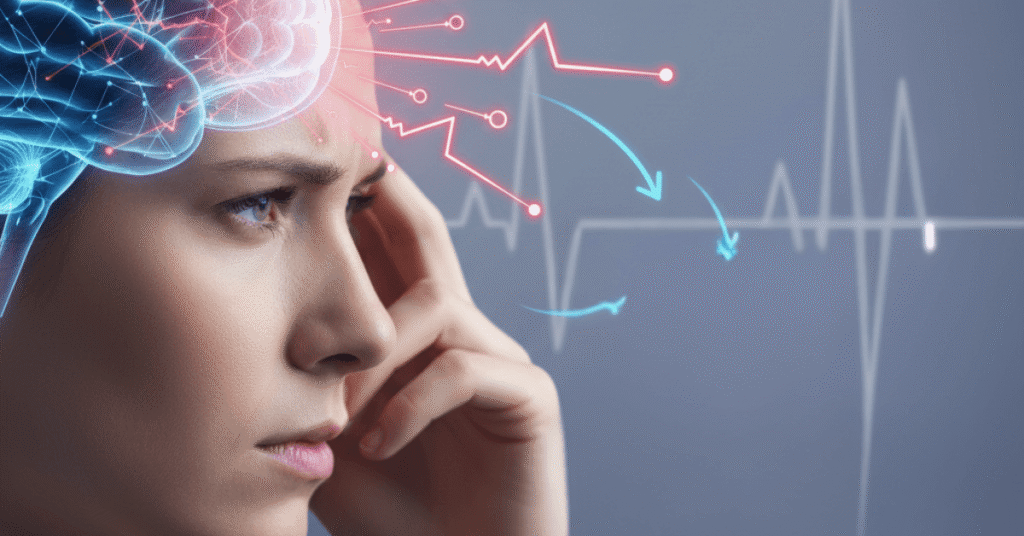
Maybe you forget simple things, struggle to focus, feel dizzy, or notice tingling in your hands. Stress can cause frightening neurological symptoms in addition to mood swings.
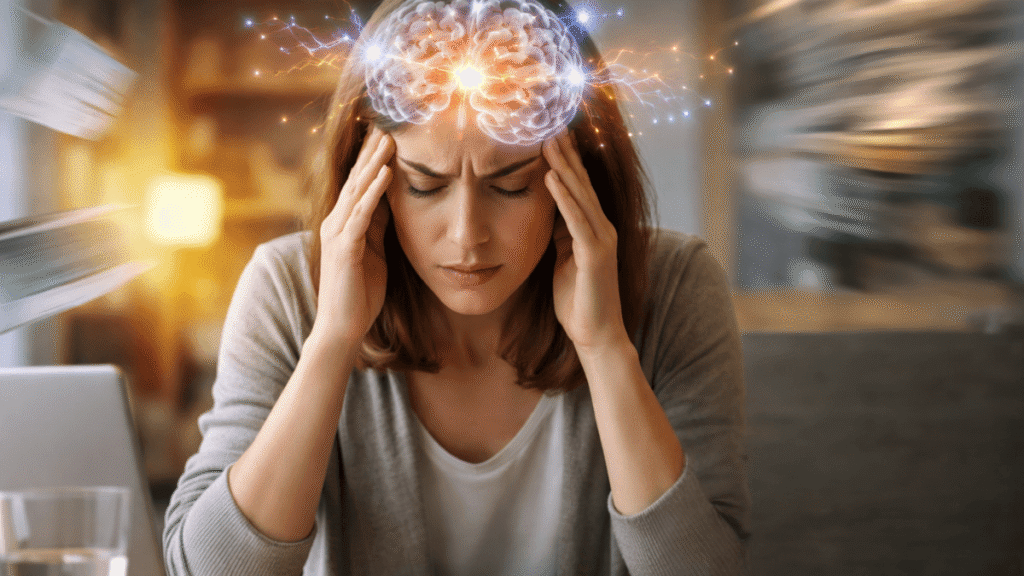
The good news?
Once stress is controlled, many of these symptoms are typical and reversible.
Understanding the distinction between symptoms of stress on the brain and indicators that call for medical intervention is crucial.
Let’s break it down in a way that makes sense.
What Are the Neurological Symptoms of Stress?
Neurological symptoms of stress are physical or cognitive changes that affect how your brain and nervous system function during periods of emotional or psychological strain.
Stress sets off the body’s “fight-or-flight” reaction.
Adrenaline and cortisol are among the hormones that spike.
But when stress becomes chronic, your nervous system stays on high alert.
Over Time, That Can Affect:
- Memory
- Focus
- Sleep
- Sensory perception
- Head pain
- Balance
- Muscle control
According to the Mayo Clinic, ongoing stress can influence both mental and physical health, including the nervous system.
Why Stress Affects the Brain
The stress reaction in your body is intimately linked to your brain.
When You’re Under Pressure:
- The brain signals the adrenal glands.
- Stress hormones are released.
- Blood flow shifts to support immediate survival.
- Other systems, like long-term thinking and digestion, temporarily take a back seat.
If this reaction persists for weeks or months, it may disrupt normal brain activity.
Clinical research suggests that chronic stress may alter areas of the brain involved in memory and emotional regulation. Stress can therefore have both mental and physical effects.
What Are 6 Common Symptoms of Stress?
Let’s Go Over the Symptoms That Are Most Commonly Reported:
1. Headaches
Headaches brought on by stress are very prevalent.
Often, These Resemble:
- A tight band around the head.
- Forehead pressure
- Pain that is dull and aching
Prolonged stress can cause tension headaches and even migraines.
2. Brain Fog
Brain fog is not a medical diagnosis, but it is a real feeling.
You Might Notice:
- Slower thinking
- Forgetfulness
- Difficulty concentrating
- Trouble finding words
Persistent stress can impact working memory and attention.
3. Dizziness or Lightheadedness
Stress and anxiety can alter breathing patterns.
Breathing Quickly Can Reduce Carbon Dioxide Levels, Which Might Cause:
- Dizziness
- Feeling lightheaded
- Unsteadiness
A medical evaluation is necessary if the dizziness is abrupt or severe.
4. Tingling or Numbness
You May Feel Pins and Needles In:
- Hands
- Feet
- Face
This often happens during anxiety-related hyperventilation. It can feel frightening, but it is usually temporary.
5. Sleep Disturbances
Sleep and the nervous system are closely linked.
Stress May Cause:
- Difficulty falling asleep
- Waking up frequently
- Vivid dreams
- Non-restorative sleep
The American Academy of Sleep Medicine states that sleep problems and stress often make each other worse.
6. Muscle Tension and Twitching
Chronic stress keeps muscles tight.
This Can Lead To:
- Jaw clenching
- Neck stiffness
- Tightness in the shoulders
- Eye movements
- Minor contractions of the muscles
7. Increased Sensitivity to Light or Sound
Some people under stress report feeling overstimulated by normal sensory input.
This can overlap with migraine patterns or anxiety responses.
8. Memory Lapses
You may misplace items or forget appointments.
Focus can be sharpened by temporary stress. Chronic stress can damage it.
Long-term exposure to cortisol has been shown to impact memory processing regions of the brain.
How Long Do Neurological Symptoms of Stress Last?
It Depends On:
- How long did the stress continue?
- Sleep quality
- Overall health
- Coping strategies
- Existing medical conditions
For many people, symptoms improve once stress decreases.
A medical checkup is advised if symptoms intensify, continue, or interfere with day-to-day activities.
When to See a Doctor
Stress can mimic other neurological conditions.
Seek Medical Help If You Experience:
- An abrupt, severe headache
- Changes in vision
- One half of the body is weak.
- Slurred speech
- Seizures
- Persistent numbness
- Loss of coordination
These could indicate serious conditions unrelated to stress.
The public health authorities emphasise that neurological symptoms should never be self-diagnosed without proper evaluation.
How Stress Impacts Mental and Neurological Health Together
Stress doesn’t separate mental and physical systems.
Chronic Stress May Contribute To:
- Anxiety disorders
- Depression
- Sleep disorders
- Migraine disorders
The nervous system and emotional regulation centres are closely linked.
That’s why treating stress often improves both mood and neurological symptoms.
What Are 5 Ways You Can Care for Your Nervous System?
You don’t need complicated neuroscience to improve stress-related symptoms.
Little Actions Can Have a Big Impact:
1. Boost Your Sleep Quality
- Consistent bedtime
- Limit screens before bed
- Cool, dark sleeping environment
2. Practice Slow Breathing
Controlled breathing helps regulate the nervous system.
3. Gentle Physical Activity
Walking, stretching, or yoga can reduce muscle tension.
4. Limit Excess Caffeine
High caffeine intake can worsen jitteriness and headaches.
5. Talk to a Healthcare Professional
Persistent symptoms deserve evaluation.
Myth vs. Fact: Neurological Symptoms of Stress
Myth 1
If symptoms are caused by stress, they aren’t real.
Fact 1
Stress-related symptoms are physically real and measurable.
Myth 2
Brain fog means permanent brain damage.
Fact 2
Stress-related cognitive issues are usually reversible.
Myth 3
Dizziness during anxiety means something life-threatening.
Fact 3
While evaluation is important, stress commonly causes temporary dizziness.
Can Chronic Stress Cause Permanent Brain Damage?
Severe, prolonged stress over the years may contribute to changes in brain structure, according to some clinical studies.
However, most stress-related neurological symptoms are functional, not structural.
Early intervention improves outcomes.
Key Takeaways
- Neurological symptoms of stress are common and real.
- Headaches, brain fog, tingling, and dizziness are frequently reported.
- Chronic stress can disrupt memory, focus, and sleep.
- Severe or sudden symptoms should always be medically evaluated.
- Stress management and medical support can improve symptoms.
- Persistent neurological alterations should not be disregarded.
Frequently Asked Question
When to Talk to a Healthcare Provider
If neurological symptoms are affecting your work, relationships, sleep, or daily function, speak with a licensed U.S. healthcare professional.
Symptoms can be kept from becoming chronic with early intervention.
Conclusion
Neurological symptoms of stress are common and very real. Ongoing stress can affect how your brain and nervous system function, leading to headaches, brain fog, dizziness, tingling, sleep problems, and muscle tension.
In many cases, these symptoms improve once stress levels are reduced and healthy coping strategies are in place. However, sudden, severe, or persistent neurological symptoms should always be evaluated by a licensed healthcare provider to rule out other medical conditions.
Consulting a healthcare provider is a wise and proactive move if your symptoms are interfering with your day-to-day activities.
References
- National Institute of Mental Health (NIMH) – https://www.nimh.nih.gov
- Centres for Disease Control and Prevention (CDC) – https://www.cdc.gov
Medical Disclaimer
This content is merely educational and should not be used to diagnose, treat, or offer medical advice. Neurological symptoms can have many causes. Always consult a licensed healthcare provider in the United States for evaluation and personalised medical guidance. If you experience sudden or severe neurological symptoms, you should seek emergency medical assistance immediately.